
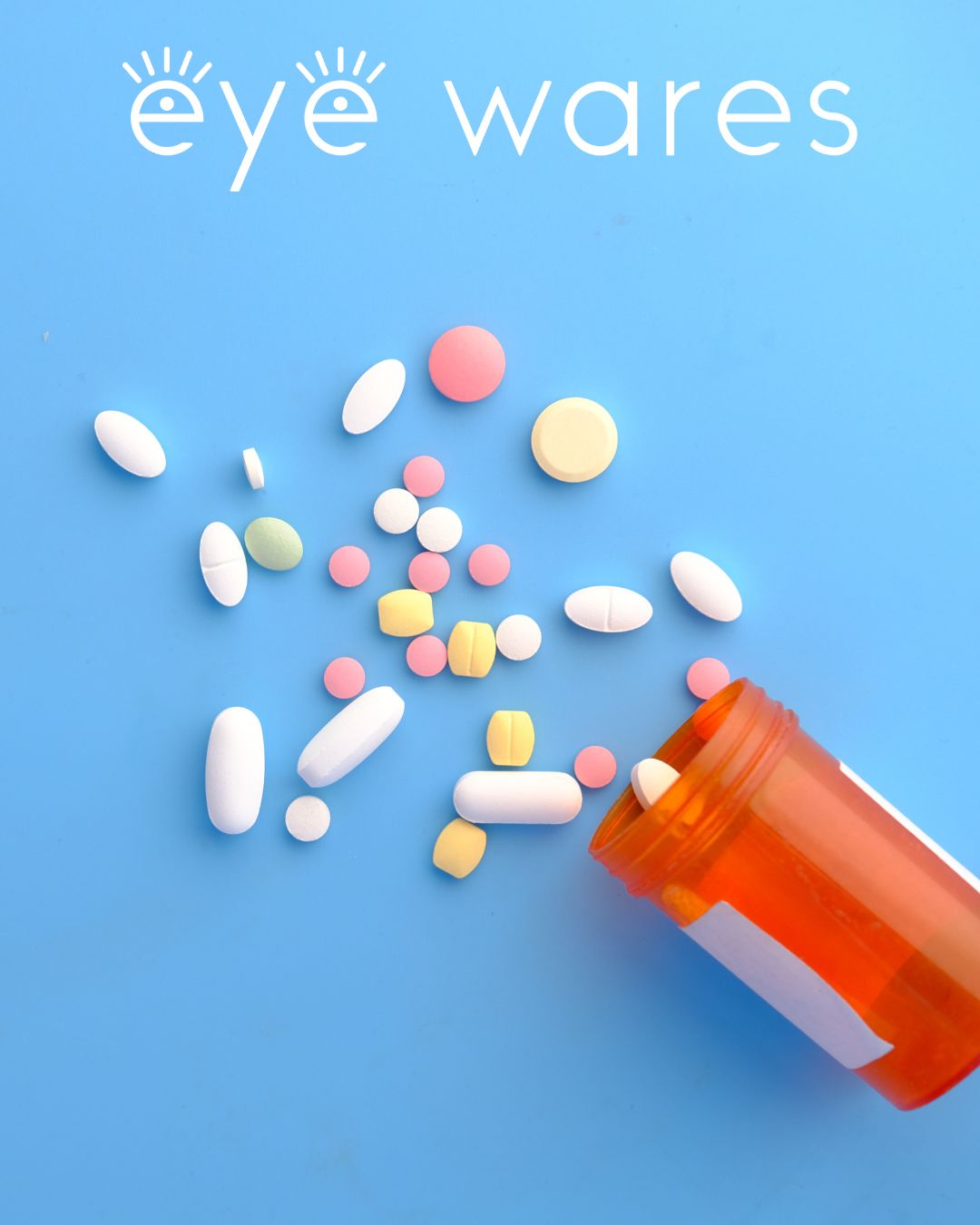
How Systemic Drugs Trigger Dry Eye Disease
Dry eye disease is a condition affecting millions of people worldwide. The disease feels like there is always something in your eye, requiring proper and timely treatment. Wondering what could have caused this? Unfortunately, the medications you’re taking could be contributing to your symptoms. Let’s uncover how systemic drugs can be doing the rest of your body good, but not your eyes.
What Are Systemic Drugs?
Systemic drugs are medications that work throughout your body rather than just targeting one area. Healthcare providers administer them orally, by injection, or intravenously (IV). Once absorbed, they circulate in the bloodstream, affecting multiple systems and organs, including your eyes.
What Is Dry Eye Disease?
Dry eye disease (DED), also called dry eye syndrome (DES) or keratoconjunctivitis sicca (KCS), happens when the eyes do not produce enough tears or the right type of tears to keep the ocular surface healthy and lubricated. This can impact your quality of life with the following:
- Stinging or burning sensation in the eyes
- Blurred vision
- Scratchy or gritty feeling
- Strings of mucus in or around the eyes
- Irritation
- Pain
While age-related hormonal changes naturally decrease tear production, other factors include environmental exposures, prolonged screen use or reading, and contact lens wear. Since the symptoms can be subtle or easily mistaken for different conditions, an evaluation by an eye doctor is essential.
Systemic Drugs and Dry Eye Disease
It can be surprising to learn that certain drugs can interfere with eye health. In fact, more than 20% of the most frequently prescribed oral medications do! What are the specific classes of systemic drugs known to cause or worsen DED, and how?
Anticholinergics
Anticholinergics like antihistamines, antidepressants, antipsychotics, anti-Parkinson’s drugs, and antispasmodics block muscarinic receptors, which are vital for tear secretion. As a result, both the watery and mucous components of tears are diminished.
Antihypertensives
Common blood pressure medications like beta blockers (metoprolol, atenolol) and diuretics (hydrochlorothiazide, furosemide) can lead to dry eye. Beta blockers lower the levels of immunoglobulin A and lysozyme in tears, while diuretics reduce the body’s fluid reserves.
Hormonal Therapies
Hormonal medications, such as those used for menopause or birth control pills, can meddle with androgen levels. Since androgens help regulate tear production, their suppression triggers inflammation and decreases meibomian gland function.
Anticancer Drugs
Chemotherapy drugs like methotrexate, mitomycin C, busulfan, and cetuximab target fast-dividing cells. Unfortunately, they do not discriminate between cancerous and healthy tissue, possibly damaging lacrimal glands.
Antiulcer Drugs
Proton pump inhibitors (PPIs) like omeprazole (Prilosec), pantoprazole (Protonix), and esomeprazole (Nexium) may interrupt vitamin B12 absorption and disrupt the gut microbiome, both of which influence the eye’s mucosal immune defense and tear production.
Anti-Acne Drugs
Isotretinoin, an oral retinoid widely used to treat severe acne, causes cell death in sebaceous glands, including those in the eyelids. Meibomian gland dysfunction (MGD) and a reduced lipid layer in the tear film, then, dry the eyes.
Analgesics
Think aspirin, ibuprofen, and other over-the-counter pain relievers. These drugs enter the tear film and increase tear evaporation. Narcotic painkillers such as hydrocodone and oxycodone may also reduce tear secretion. Cannabis use, whether medical or recreational, is another factor. Alcohol, too, affects tear chemistry.
Vitamins and Supplements
While most multivitamins are safe, some herbal supplements might trigger dry eye. Niacin (vitamin B3), echinacea, and kava may have drying effects similar to those that cause dry mouth.
Eye Health and More
Managing drug-induced dry eye becomes especially complex for individuals who take five or more medications. When systemic medication is a factor, you must learn the links and discuss alternative medications.
What if discontinuation is impossible? Eye doctors should treat the symptoms of DED directly. First-line treatments usually include the following:
- Artificial tears or lubricating eye gels
- Environmental modifications like humidifiers)
- Anti-inflammatory eye drops
- Omega-3 fatty acid supplements
Regain and Sustain Your Eye Health
Dry eye disease is uncomfortable and frustrating, and understanding the root cause can make all the difference. When symptoms manifest while on systemic medications, talk to your optometrist. These experts can help you treat dry eye effectively without compromising your overall treatment plan.
“Where can I find eye doctors near me?” If you’re in the Greater New Orleans Area, Eye Wares is ready to assess your eye health. Our expert team is all about comprehensive eye care, eager to take a collaborative, interdisciplinary approach with your prescribing physician. Book an eye exam now to get started!