
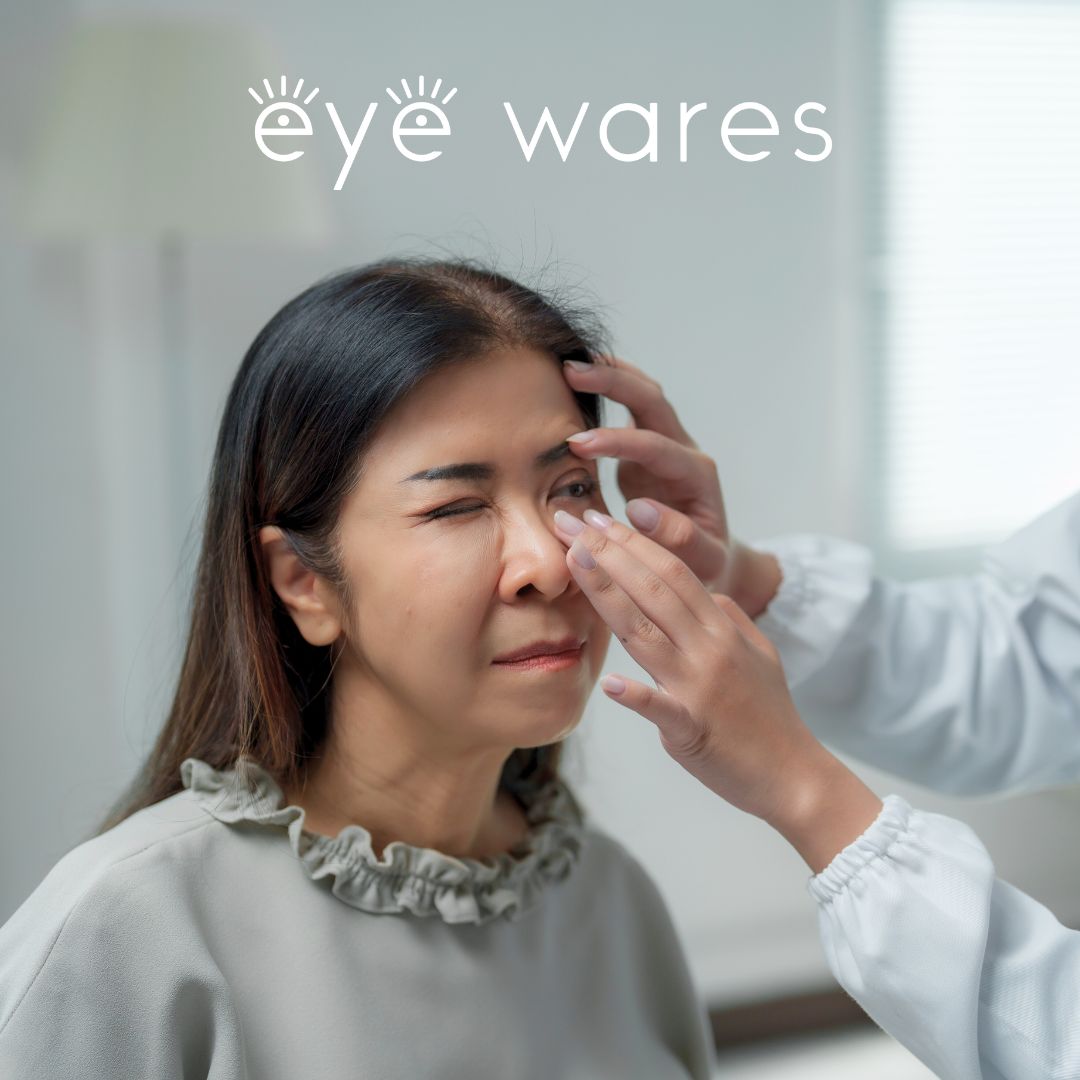
Why Protecting Your Overall Health Starts with Protecting Your Vision
As public health challenges continue to rise across the country, their effects extend far beyond overall wellness; they also significantly impact our eyes. From diabetes and obesity to autoimmune disorders, mental health struggles, and substance abuse, many of today’s most common health conditions quietly place stress on vision and ocular structures. Understanding these connections can help protect long-term eye health and highlight the importance of regular optometric care.
Diabetes: A Leading Cause of Vision Loss
Diabetes remains one of the biggest threats to eye health in the U.S. Elevated blood sugar damages the tiny blood vessels in the retina, leading to diabetic retinopathy, one of the leading causes of blindness in adults. Diabetic patients are also at higher risk for glaucoma, cataracts, and fluctuating vision.
Routine comprehensive eye exams are critical, as early detection and intervention can prevent severe vision loss.
Obesity and Heart Disease: Hidden Strain on the Eyes
Obesity is closely linked to cardiovascular disease, hypertension, and high cholesterol; all of which influence ocular health. Poor circulation and increased pressure inside the blood vessels can lead to changes in the retina and optic nerve. Conditions such as retinal vein occlusion, hypertensive retinopathy, and even stroke-related vision loss occur more often in patients with unmanaged cardiovascular issues.
Protecting your heart also means protecting your sight.
Autoimmune Diseases: When the Body Attacks the Eyes
Autoimmune diseases, such as rheumatoid arthritis, lupus, Crohn’s disease, and Sjögren’s syndrome, can have a direct impact on ocular health. Inflammation may occur in various parts of the eye, causing symptoms like chronic dry eye, uveitis, or scleritis.
Because flare-ups can be unpredictable, ongoing care from both a primary physician and an eye care professional is essential.
Mental Health Conditions and Medications That Affect Vision
Mental health challenges such as anxiety, depression, and bipolar disorder can influence eye health in subtle ways. Many psychiatric medications may contribute to dry eye, blurred vision, light sensitivity, or difficulty focusing.
Stress and anxiety can also worsen conditions like eyelid twitching, eye strain, and headaches. A holistic approach to mental well-being supports visual comfort and long-term eye health.
Substance Abuse and the Eyes: A Growing Concern
Substance misuse, whether alcohol, prescription drugs, or illicit substances, can cause significant ocular complications. Long-term alcohol use may lead to optic neuropathy, while stimulants can increase blood pressure and raise the risk of retinal damage. Opioid use can cause pinpoint pupils and impaired visual processing.
As substance abuse continues to rise across the nation, its effects on vision should not be overlooked.
Why Regular Eye Exams Matter More Than Ever
With public health conditions on the rise, maintaining eye health requires proactive care. Many of these systemic diseases show early signs in the eyes before symptoms appear elsewhere. During a comprehensive eye exam, optometrists can detect changes that indicate larger health concerns including diabetes, hypertension, high cholesterol, and more.
Early diagnosis leads to earlier treatment, better outcomes, and preserved vision.
Eye Wares: Your Partner in Lifelong Vision Health
At Eye Wares, our team is committed to supporting your vision as well as your overall wellness. With advanced diagnostic tools, personalized care, and a deep understanding of how systemic conditions affect ocular health, we’re here to help you stay ahead of potential issues.
Whether you’re managing a chronic condition or simply due for your next exam, we’re here to keep your eyes healthy, clear, and protected.